Orlando, Florida, is known for its sweltering summers, afternoon thunderstorms, and overall humid subtropical climate. But what many homeowners overlook is how the cooler winter season — although mild compared to northern states — can still significantly affect roof longevity. While Orlando doesn’t experience heavy snow or extreme freezing conditions, the subtler shifts in temperature and moisture levels during the winter months bring unique challenges and opportunities for roof maintenance. Understanding these seasonal dynamics can help property owners extend the life of their roofs and avoid costly repairs.
Temperature Fluctuations and Roofing Materials
Although winter temperatures in Orlando typically hover between the mid-40s and 70s Fahrenheit, these daily fluctuations can still cause expansion and contraction in roofing materials. Over time, this repetitive movement can lead to the deterioration of shingles, tiles, or even the underlayment. Materials such as asphalt shingles are particularly susceptible to thermal movement. During the day, materials expand as the sun heats the surface. As the evening cools down, they contract. This ongoing cycle stresses the materials, weakening them over time.
In areas like Orlando, where the winters aren’t harsh but do bring cooler nights and warmer afternoons, the issue can be deceptive. Homeowners may assume the absence of ice and snow means their roofs are safe from winter damage, but the real danger lies in this temperature-driven stress on materials. Keeping an eye on small cracks, lifting shingles, or loosened tiles during winter inspections is an essential part of roof maintenance.
Moisture, Condensation, and Mold Growth
Humidity doesn’t disappear in Orlando just because winter arrives. In fact, cooler temperatures can trap moisture beneath roofing materials if proper ventilation isn’t in place. Condensation can form inside attics or beneath underlayment layers, especially when warm interior air meets a cool roof deck. This can gradually deteriorate wood, rust metal components, and encourage mold growth.
A poorly ventilated attic is often the culprit. During the winter, many homeowners seal up their homes to keep warmth inside, but this traps humid air. Without appropriate airflow, moisture lingers and can cause mold or mildew to take hold. Mold not only weakens the structural integrity of the roof but also poses health risks to the home’s occupants.
Orlando’s roofing professionals often recommend an annual inspection before and after the winter months to identify moisture-related issues early. Spotting water stains, a musty attic smell, or visible mold should prompt immediate action. Winter roofing tips in Orlando include ensuring that soffit vents are unblocked and insulation is dry and sufficient.
Storm Season Hangover: Winter Damage Revealed
Though hurricane season officially ends in late November, the damage inflicted during summer and fall storms often doesn’t become apparent until winter. High winds may have loosened shingles or tiles that weren’t noticeable until cooler weather brought the first heavy rainfall. Winter becomes a time when the lingering impact of the storm season reveals itself.
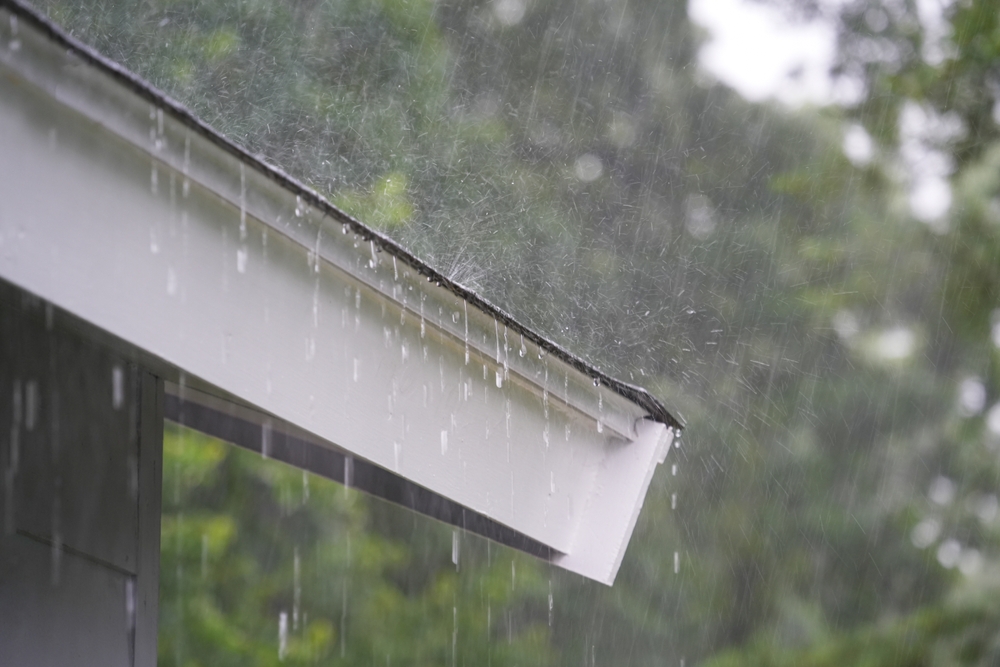
In Orlando, where the weather can still bring sporadic cold fronts and intense rain even in winter, these unnoticed storm-related vulnerabilities can lead to leaks. Water intrusion during the winter season is especially problematic because it may go unnoticed until significant damage has occurred. While summer rain might quickly expose a leak, winter moisture often seeps in slowly, warping decking and compromising insulation.
A key part of proactive roof maintenance is addressing these issues early. Homeowners should not wait for the next storm to test their roof’s durability. Winter inspections serve as a valuable diagnostic period to uncover weaknesses left behind by hurricane-force winds or falling debris.
The Advantages of Mild Winters for Roof Longevity
Despite the risks associated with cooler weather, Orlando’s mild winters actually offer some advantages when it comes to roof longevity. The absence of snow load and frequent freeze-thaw cycles, which are major threats to roofs in colder climates, significantly reduces the stress on structures. The key is leveraging this milder season as an opportunity for preventive maintenance.
Winter is one of the best times to carry out repairs or even full roof replacements in Orlando. The cooler, drier air creates better working conditions for roofing crews and allows materials like adhesives and sealants to cure more effectively. Asphalt shingles, for instance, need time and the right temperature to set properly, and winter provides a sweet spot where extreme heat isn’t degrading the material on contact.
This season also provides homeowners with a better window for evaluating the long-term condition of their roof. Since there is less intense weather to contend with, maintenance crews can conduct more thorough inspections and make thoughtful recommendations. Acting on these findings now, rather than waiting until spring storms hit, can greatly enhance the roof’s resilience and longevity.
Roof Maintenance Strategies Specific to Orlando Winters
A year-round roof maintenance plan that accounts for Orlando’s seasonal changes is essential, but winter deserves special attention. Regular inspections during this period are critical, not just for spotting damage but for ensuring that preventive measures are in place. For example, removing debris like leaves and branches from gutters and valleys is especially important during the fall-to-winter transition. These materials trap moisture and cause unnecessary weight on the roofing system.
Another overlooked aspect of winter roofing tips is trimming overhanging tree branches. Orlando’s mix of evergreens and deciduous trees means falling limbs can be a hazard even in winter. Strong winds associated with cold fronts can easily snap weakened branches, which then damage shingles or tiles upon impact.
Winter is also the ideal time to check flashing and seals around roof penetrations like chimneys, vents, and skylights. As the cooler temperatures arrive, these seals may contract, creating gaps where water can enter. Homeowners should prioritize resealing or replacing worn-out flashing before moisture has a chance to seep in.
Professional roofers in Orlando also recommend checking attic insulation and ventilation during winter. Adequate insulation reduces heat loss from the living space, while proper ventilation ensures that warm, moist air doesn’t condense under the roof deck. These two elements work together to maintain a balanced roofing environment that resists the negative effects of winter humidity.
Conclusion
While Orlando’s winters are far from severe, the cooler months still play a pivotal role in the health and longevity of your roof. The subtle interplay between temperature shifts, humidity, and hidden storm damage can shorten the lifespan of even the best roofing systems if not managed properly. Fortunately, the mild winter climate also provides the perfect opportunity to carry out essential roof maintenance without battling snow or freezing conditions.
Taking the time to inspect, repair, and prepare your roof during Orlando’s winter months ensures it remains strong, weather-resistant, and energy-efficient throughout the year. By understanding how winter conditions specifically impact roofing in Central Florida and applying targeted winter roofing tips, homeowners can extend the life of their investment and avoid costly repairs in the future.
Staying proactive, rather than reactive, is the best way to protect your home from the top down. Make winter your season for roofing success in Orlando.