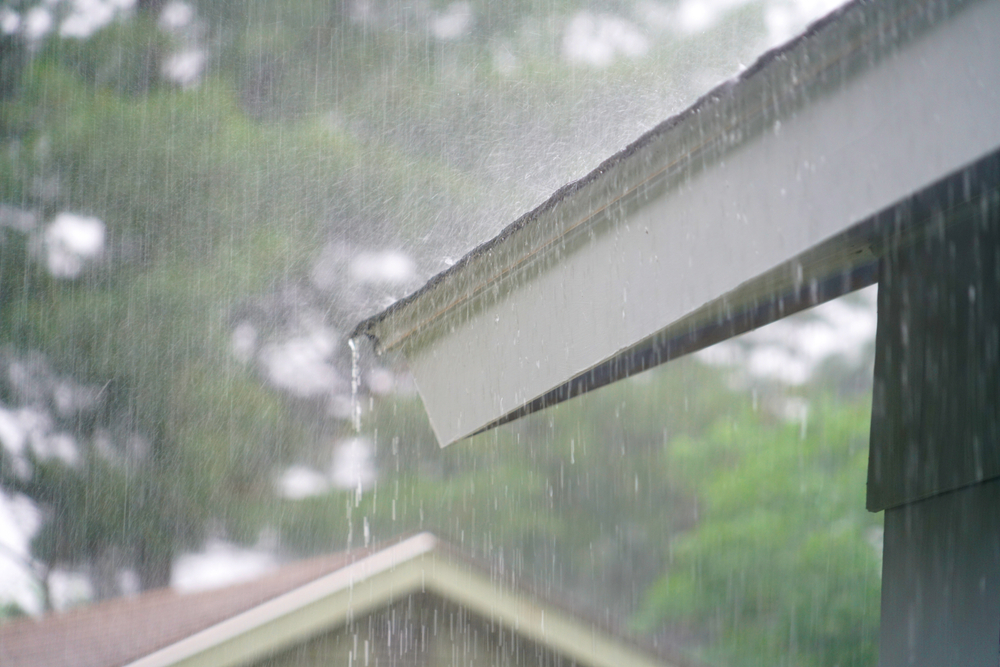
Orlando’s subtropical climate brings warm temperatures for most of the year, but winter often surprises homeowners with heavy rainstorms that can place significant strain on older roofing systems. While many people associate roof issues with hurricane season, winter rainfall in Orlando can be just as damaging, especially when a roof is already aging. Understanding how these storms affect the durability of shingles, underlayment, flashing, and structural components can help homeowners in Orlando, FL stay ahead of potential problems. Timely evaluation and roof leak repair performed by a qualified roofing contractor can prevent minor issues from turning into costly structural damage.
Winter storms in this region tend to bring prolonged periods of moisture instead of the short bursts of intense rainfall seen in summer. This sustained exposure to water can reveal hidden weaknesses in an aging roof. By examining how winter rain interacts with worn materials and compromised seals, homeowners can make informed decisions about inspections and repairs before the rainy season intensifies further.
Why Winter Rainstorms in Orlando Create Unique Roofing Challenges
The winter rainy season in Orlando differs from the volatile tropical downpours experienced during summer. Instead of rapid accumulation, winter storms often linger, producing steady rain that can last for hours or even days. Constant moisture becomes a major threat to roofs that have already lost much of their protective integrity. An older roof might survive a short storm, but continuous saturation works its way under shingles and into vulnerable areas that are already weakened.
Orlando’s humidity levels remain high through winter, meaning roofs rarely have time to dry completely between storms. Aging shingles absorb more moisture than new ones because their protective granules have worn away. This leads to swelling, softening, and eventual cracking as temperatures fluctuate. Once shingles begin to lose structure, water can infiltrate the underlayment and deck.
Many roofs in Orlando, FL also experience mold and algae growth due to the lasting combination of heat and moisture. Winter rain accelerates this process because damp surfaces provide ideal conditions for biological buildup. While algae may seem like a cosmetic problem, it can weaken shingle binders over time, making them brittle and far more likely to fail under heavy rainfall.
Longer lasting storms also expose weaknesses in flashing around chimneys, vents, skylights, and valleys. Flashing is designed to keep water out of critical areas, but the metal expands and contracts throughout the year. On older roofs, this movement causes gaps and warping. During winter storms, water is quick to find these openings. Once water penetrates, it can travel across decking and insulation, making roof leak repair more complicated than expected.
How Aging Roofs Respond to Continuous Winter Moisture
As roofs age, they lose essential oils and protective layers that once allowed them to repel water effectively. In Orlando, the constant exposure to sunlight and heat speeds up this aging process. By the time winter arrives, shingles may already be brittle or curling. Heavy rainfall intensifies this deterioration because water seeps into cracks and weaknesses, gradually widening them.
Older roofs also suffer from loose fasteners and weakened adhesive strips. Moisture intrusion causes nails to rust and back out of place, which lifts shingles and creates entry points for water. A roofing contractor who inspects an aging roof after winter storms often finds that these mechanical failures play as large a role as shingle deterioration.
Another concern for aging roofs is the underlayment. This protective membrane sits beneath the shingles and acts as a final barrier against moisture. Over time, underlayment can become brittle or torn, especially if previous roof leak repair was done without addressing deeper issues. When winter rainstorms arrive, and water bypasses the shingles, a damaged underlayment can no longer prevent leaks from spreading into the attic.
Soffits and fascia boards also weaken as roofs age. Prolonged exposure to moisture during winter storms causes wood components to rot or warp. If these areas deteriorate, they can no longer support gutters or channel water effectively. This results in improper drainage, which increases water pooling near the roof edge and raises the likelihood of leaks spreading along exterior walls.
Many Orlando homeowners do not realize that older insulation in the attic can also exacerbate roof problems. When a roof leaks, moisture-laden insulation stays damp for long periods due to the region’s humidity. This not only reduces energy efficiency but also encourages mold growth. A wet attic creates a cycle where trapped humidity affects roof decking from below while rain affects it from above.
Warning Signs That Winter Rainstorms Are Causing Roof Damage
Aging roofs may appear stable from the ground, yet winter storms expose weaknesses that were previously hidden. Homeowners should pay attention to subtle signs that moisture is penetrating the roofing system. Water stains on ceilings are one of the most common indicators that stormwater has already entered the attic. These stains may start small, but they rarely remain contained for long once winter rainfall continues.
Another sign is the presence of granules in gutters or downspouts. Granule loss indicates that shingles are breaking down and can no longer protect the roof from moisture. Homeowners in Orlando often overlook this because leaves and debris fill gutters at the same time, but granules should never accumulate in large amounts.
Peeling paint along exterior soffits suggests that moisture is trapped or overflowing due to ineffective drainage. This usually means water has made its way behind fascia boards or is saturating attic insulation. A roofing contractor inspecting the area will often find shingle failure or flashing gaps nearby.
Inside the attic, damp insulation, mold odor, or visible discoloration on roof decking signals that water intrusion is active. Aging roofs are particularly susceptible to leaks around penetrations like vents and skylights. Winter rainstorms cause pooling around these areas, which leads to rapid deterioration.
Some homeowners notice increased indoor humidity or persistent musty smells after storms. This often indicates hidden leaks that have not yet made their way to the ceiling but are spreading internally. Early detection is crucial because waiting too long often leads to structural wood damage that requires more extensive roof leak repair.
When to Schedule Roof Inspections and Repairs in Orlando, FL
Winter is one of the best times to schedule a roof inspection in Orlando. The consistent rainfall reveals weaknesses that a roofing contractor can identify before the more intense weather patterns return in spring and summer. An inspection after a significant winter storm allows the contractor to check for immediate damage and evaluate long term risks.
Homeowners should not wait until visible leaks appear inside the home. By the time water reaches the interior, the roof has already experienced structural penetration. Scheduling repairs early prevents further saturation of the underlayment, decking, and attic materials. Timely roof leak repair also avoids problems like pest intrusion because rodents and insects are drawn to damp and weakened areas.
For aging roofs, repairs made in winter help strengthen the system before hurricane season. If a contractor identifies widespread shingle deterioration or compromised decking, replacing sections of the roof or performing a full reroof may be the most cost effective option. Addressing these issues before summer reduces the risk of major storm damage.
Homeowners should also schedule an inspection whenever they notice changes in shingles, flashing, or attic conditions. Even small leaks worsen quickly in Orlando’s humid climate. A roofing contractor can identify early warning signs that are not visible to the untrained eye. Most professionals recommend annual inspections, but aging roofs often benefit from two inspections per year, one after winter and one before hurricane season.
Conclusion
Winter rainstorms in Orlando create unique challenges for aging roofs because of prolonged moisture exposure, high humidity, and gradual deterioration caused by Florida’s intense climate. Understanding how these storms impact weakened shingles, flashing, and underlayment helps homeowners make informed decisions about protecting their property. Timely evaluation by a qualified roofing contractor in Orlando, FL ensures that damage is caught early and that roof leak repair is performed before minor issues escalate. With regular inspections and proactive maintenance, homeowners can extend the lifespan of their roofs and minimize costly repairs in the future.